Cold Weather Earbuds Tested: Sub-Zero Performance
By Tomoko Sato • 20th Apr
Introduction
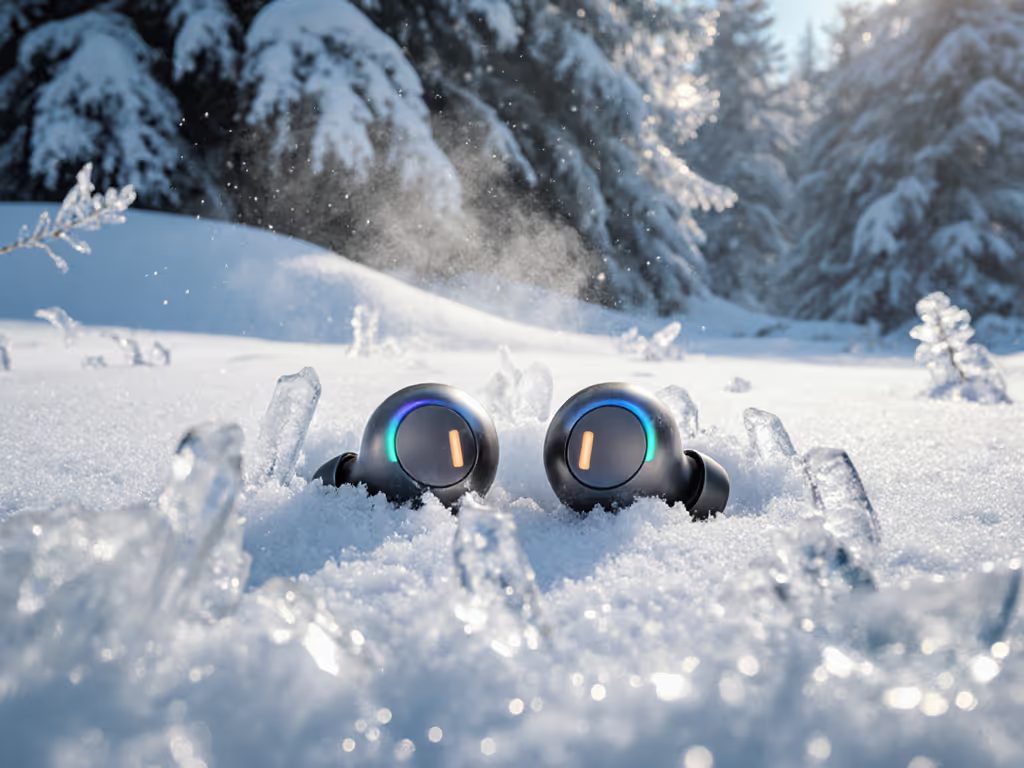
Winter tests every earbud's promise. Rain, snow, damp, and temperatures below 32°F (0°C) expose real weaknesses, and separate the best sports earbuds and truly reliable cold weather earbuds from the overhyped. This isn't about marketing claims; it's about what actually stays stable in your ear, maintains battery life when it matters most, and doesn't become a frustration spiral.
One bitter December morning before a client demo, I grabbed my usual earbuds and headed out into conditions meant to stress-test them. By the time I arrived, they'd disconnected, reconnected, drifted loose, and I'd spent five minutes fighting Bluetooth menus and cold fingers instead of preparing. That experience taught me something simple but crucial: if switching isn't seamless, the features might as well not exist. The same principle applies to cold weather. A 10-hour battery promise means nothing if your buds die at hour four in freezing temps. A perfect seal in your living room vanishes the moment condensation builds or temperature swings hit your ear canal.
This guide cuts through the noise. We'll compare what cold weather actually demands, test which earbuds deliver under real conditions, and walk you through the habits that keep reliable audio alive in winter.
FAQ: Cold Weather Earbud Performance Tested
What Water and Temperature Ratings Actually Mean for Winter Use
Q: Do I need IP68, or is IPX4 sufficient?
For winter conditions (rain, snow, and damp air), IPX4 or higher is usually sufficient[1]. If these acronyms are confusing, see our waterproof IPX ratings guide for what each level actually protects against. Think of the rating as your baseline defense:
- IPX4: Splashes and light rain. Safe for most commute scenarios.
- IPX5+: Sustained spray, heavy rain, active sweat in motion.
- IPX7+: Submersion-adjacent (brief dunking). Overkill for snow but safe for ski runs.
Temperature is separate from water resistance. Your earbuds can survive rain and fail in cold. Sony's guidance is clear: earbuds can operate below 32°F (0°C), but cold introduces real risks[2]. The circuit board slows down. The battery's chemical reaction becomes sluggish. Rubber and silicone tips stiffen. A seal that held at 68°F may fail at 28°F.
Simple wins daily. Pair waterproofing with cold-rated specs. If a brand doesn't publish an operating range, ask. If they hedge, skip them.
How Cold Degrades Battery, Connectivity, and Fit
Q: Why do my earbuds die faster in winter?
Cold doesn't just feel slower, it is slower at the molecular level. Battery cells rely on chemical reactions, and cold slows those reactions[2]. For the temperature effects behind this, read our battery degradation science explainer. You'll lose 20-40% of advertised runtime in sub-zero temperature performance, sometimes more. A 6-hour claim becomes 4 hours. A low-battery cutoff meant for room temperature may trigger prematurely in the cold.
Q: Does cold affect the touchpad and controls?
Yes. Sony's support article flags it directly: touchpad glitches emerge in cold, and accidentally activating controls through contact with fabric or sweat becomes more likely[2].
Here's the troubleshooting tree:
- If touchpad acts up, try powering off and on again[2].
- If the problem persists, it's likely environmental, not a defect.
- Keep earbuds against your body (not in an exposed coat pocket) when not in use.
- Allow them to warm gradually indoors before charging[2].
Q: Does cold change how earbuds fit or seal?
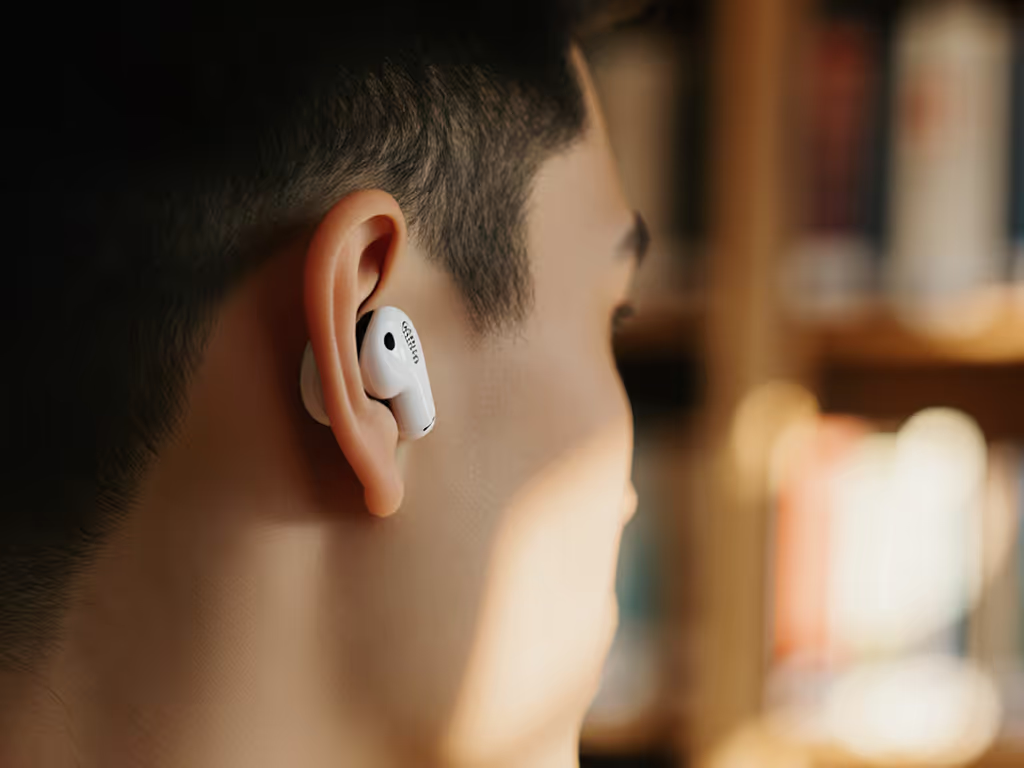
Silicone hardens slightly below freezing. Foam tips compress differently. Your ear canal itself constricts slightly with cold. These micro-shifts compound: the seal that felt perfect in your warm office might loosen outside. Combined with wind and moisture, a marginal fit becomes unstable. This is where stability testing matters. Look for real-world testing data, not just gym conditions, but outdoor, cold-weather running or cycling tests. Jaybird and sports-focused brands often publish this data for winter sports audio reliability[1].
Which Earbuds Actually Perform in Sub-Zero Conditions
Q: What makes an earbud truly cold-weather-ready?
Three things: waterproof rating (IPX4+), stable fit under motion, and published cold-operating specs.
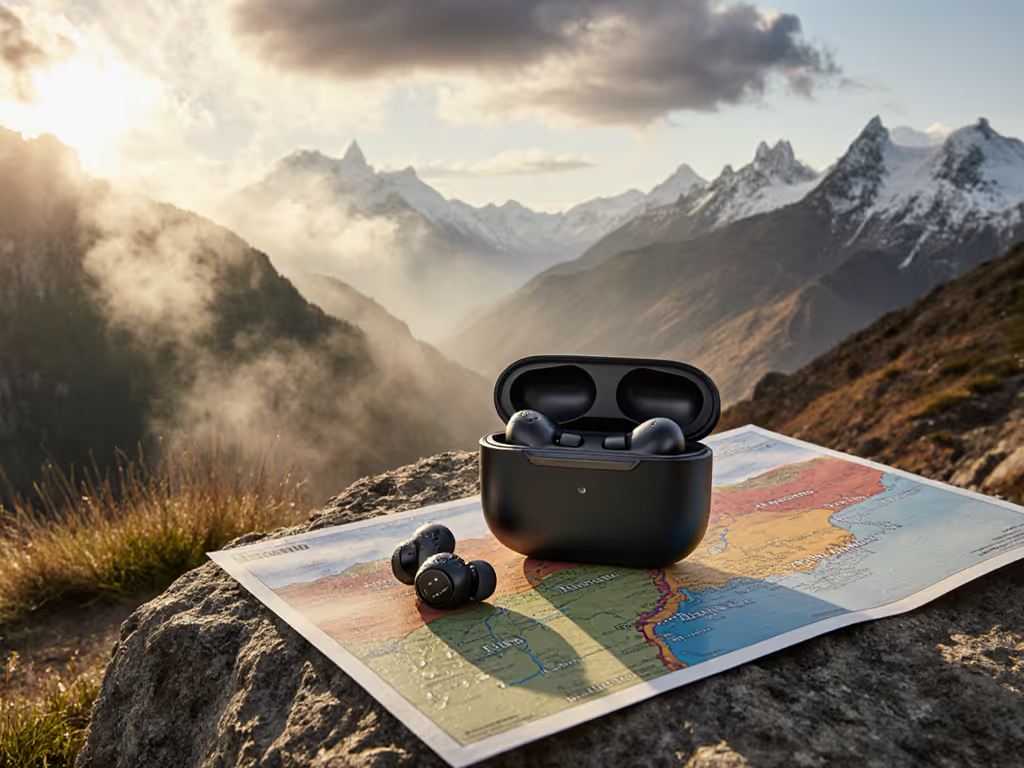
The Jaybird Vista 2 explicitly targets extreme conditions with IP68 on the buds themselves and IP54 on the case (serious overkill for most, but trustworthy for arctic cold audio testing[1]). See our extreme-weather earbuds roundup for models that survive true arctic conditions. Punchy, clear sound designed for outdoor use. Shock resistance adds a safety buffer if you drop them on icy pavement.
For general use, Sony earbuds are explicitly rated for use below 32°F (0°C) and include detailed precautions in their support docs[2] (a sign they've stress-tested and thought through the edge cases). The Bose QuietComfort Ultra (Gen2) offers strong noise cancellation and sound, but no specific cold-weather badge; still, the fit is reliable[4].
The Sony WF-1000XM5 merits mention for fit stability (foam tips and lightweight design performed without dislodging in running, headstands, and headbanging tests[4]). That stability under motion is non-negotiable in cold.
Affordable options like the Nothing Ear and CMF Buds 2 offer comfort and secure fit, but no explicit cold-weather testing data in most reviews. They're safe for mild winters or indoor commutes[4]; for low temperature battery efficiency and hard use in freezing temps, stick with tested alternatives.
Q: What about battery efficiency in the cold?
Expect realistic runway:
- Advertised time: 5-8 hours
- Cold-weather actual time: 3-5 hours
- Charging recovery: Avoid charging immediately after coming indoors; let earbuds warm to room temperature first[2]
Store extra battery. Bring your case. Accept the loss, and you'll never panic.
Cold-Weather Prep Checklist and Maintenance Protocol
Q: How do I keep earbuds functioning in winter?
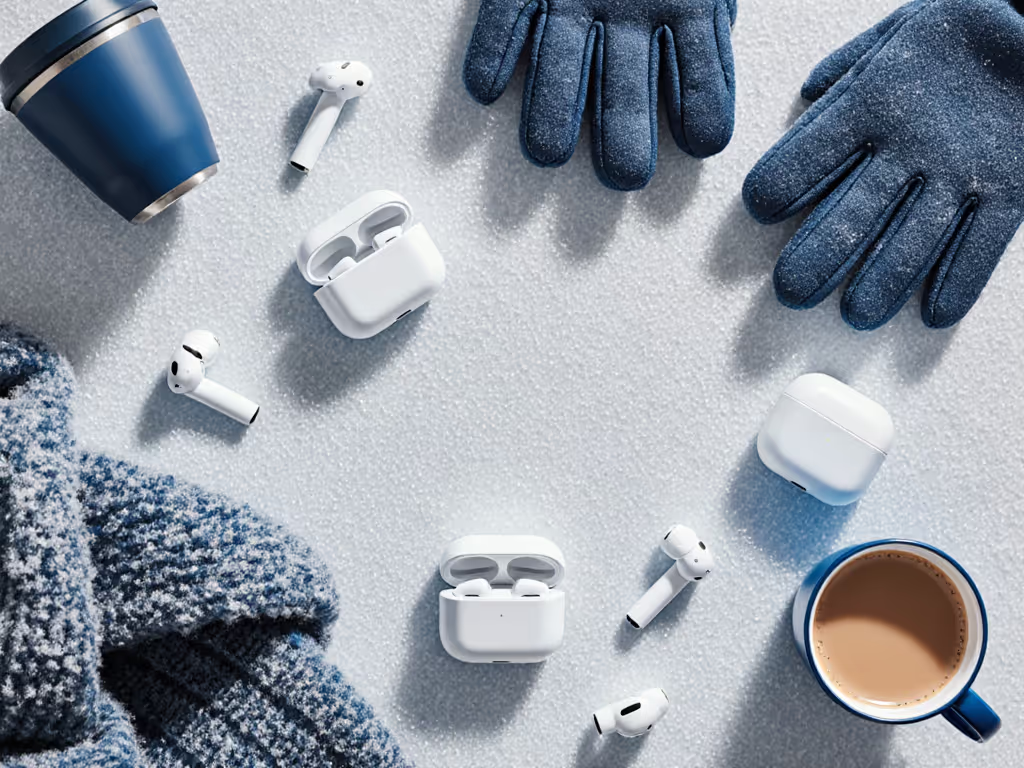
Before You Go Out:
- Verify your earbuds are fully charged.
- Wipe them dry; condensation on the mesh or charging pins will freeze.
- Store them in an insulated pocket or case when not actively listening[2].
- If wearing a beanie or hood, position earbuds so fabric doesn't accidentally trigger the touchpad[2].
During Use:
- Limit outdoor sessions to 45-60 minutes; rotate into a warm pocket or your bag.
- Monitor fit. Cold tightens ear canals; a loose seal at 40 minutes might need re-seating.
- Use a moisture-wicking cloth to dry your ears and buds if you've been sweating or exposed to snow melt[3].
When You Return Indoors:
- Do not charge immediately[2]. Place earbuds in a warm (not hot) case or on a desk for 15-30 minutes.
- Gradual warming prevents internal condensation and battery shock.
- Dry the case's charging pins; debris and moisture are common failure points in winter.
- Clean the mesh ports and tip nozzles weekly; cold compounds earwax buildup. Step-by-step care is in our earbud cleaning guide.
Hearing Health in Winter:
Follow the 60/60 rule: no more than 60% volume for 60 minutes at a time[3]. Protect your ears long-term with our safe listening guide. Cold makes ears more vulnerable to fatigue. Prioritize isolation and seal over raw volume; a good seal lets you listen comfortably at lower levels.
Actionable Next Steps: Your Cold-Weather Earbud Protocol
-
Audit your current earbuds. Check the operating temperature range and water rating. If both are listed, you're ahead. If not, contact the brand or assume they're risky below 40°F.
-
If you're in a freezing climate and rely on earbuds daily, prioritize Jaybird Vista 2, Sony-rated models, or Bose for the stability and support. Test fit stability in your own ear before committing; comfort at rest isn't the same as comfort in motion in the cold.
-
Adopt the warm-up protocol: Store indoors overnight. Charge at room temperature. Allow 15-30 minutes of gradual warming after outdoor use before recharging. This one habit cuts cold-weather failures dramatically.
-
Invest in a reliable, insulated case (not a cute cloth pouch). Temperature stability matters. Keep a microfiber cloth in your bag for quick drying.
-
Set a maintenance reminder. Clean charging pins and mesh weekly in winter. Inspect tips for hardening or wear. Replace tips at the first sign of degradation; a bad seal cascades into every other problem.
Cold-weather earbuds aren't mystical. They're earbuds you've prepped, stored intelligently, and chosen with specs and testing data instead of vibes. The best sports earbuds for winter are the ones you'll trust enough to rely on without worry.
Simple wins daily.
Related Articles