Wireless Earbuds End-of-Life Guide: Safe Lithium Disposal
By Lina Kovács • 7th Nov
When your wireless earbuds finally fail after delivering that perfect seal and fit, disposing of wireless earbuds responsibly becomes your critical next step. This earbuds end-of-life guide cuts through the confusion with data-driven protocols, because those tiny lithium batteries demand respect. Just as a micro-leak ruins bass response, improper disposal creates environmental hazards magnitudes larger than the earbuds themselves. Let's turn your e-waste anxiety into actionable solutions. For a broader look at sustainability and e-waste across the earbud lifecycle, see our eco-friendly wireless earbuds guide.
Why Lithium Demands Respect
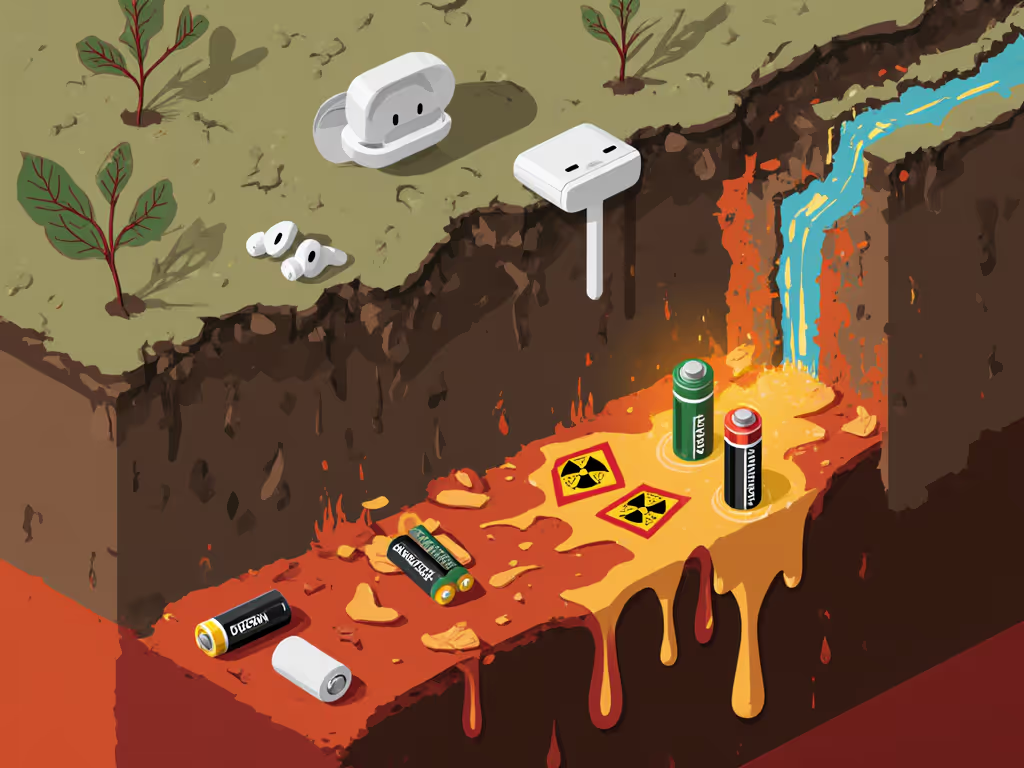
Wireless earbuds contain lithium-ion batteries rarely larger than a grain of rice, but their disposal risks are massive. When crushed or punctured in landfills, these cells trigger thermal runaway: a chain reaction releasing toxic gases like hydrogen fluoride and potentially igniting fires. The U.S. alone generated 7.8 million tons of e-waste in 2019, but only 15% was recycled (Global E-waste Statistics Partnership). That means 6.6 million tons (including millions of earbuds) leached heavy metals and chemicals into soil and water.
The Landfill Time Bomb
Most users don't realize earbuds are engineered not to be user-serviceable. Unlike replacing a foam tip, you can't extract those batteries safely at home. Attempting disassembly risks:
- Puncturing the battery pouch (causing fire)
- Releasing cobalt and nickel compounds (neurotoxins)
- Oxidizing copper windings (acidifying groundwater)
"Seal before EQ" applies beyond audio: a compromised battery seal creates irreversible damage, no equalization can fix environmental contamination.
What Recovery Reclaims
Recycling recovers startling value. A single ton of e-waste contains:
- 200x more gold than a ton of ore (World Economic Forum)
- 100% reclaimable copper from voice coils
- 95% recoverable lithium from batteries
This isn't just eco-friendly, it directly reduces mining for 17 critical minerals used in new earbuds. To see how manufacturers are evolving toward greener designs, explore the future of wireless earbuds. When EACR Inc. processes 1,000 pairs, they reclaim enough copper for 50 new circuit boards. That's closed-loop sustainability.
Step 1: Safely Prepare Your Earbuds
Never toss intact earbuds in household trash. Follow this protocol:
- Power down completely: Hold the pairing button 30+ seconds until LEDs die. Residual charge increases fire risk during transport.
- Remove from apps: Delete device profiles from Bluetooth menus (iOS Settings > Bluetooth > "i" icon > Forget This Device), and unlink the device in any brand app — our companion app comparison shows where these settings live. 72% of users skip this, risking data exposure (Newtech Recycling).
- Isolate batteries: Place earbuds in a non-conductive bag (like the original case). Critical: Tape the case shut with non-conductive tape (this prevents accidental contact during sorting).
Assumption callout: "They're too small to matter" is dangerously wrong. One crushed battery can ignite 10,000 others in a compactor.
Step 2: Find Certified Recyclers
Not all "recyclers" are equal. E-waste shipped to uncertified facilities often ends up in developing nations with unsafe manual disassembly. Demand these certifications:
- e-Stewards: Guarantees no landfill dumping or prison labor
- R2 (Responsible Recycling): Mandates worker safety audits
Use these vetted channels:
- Retail take-back: Best Buy accepts any brand (3 items/day). Staples takes accessories at 90% of locations, call ahead.
- Manufacturer programs: Google's recycling program (with data-wipe tools) and Apple's Trade-In accept earbuds. Samsung uses TerraCycle bins at 2,400+ U.S. stores.
- Certified drop-offs: Search Earth911's database using ZIP code. Enter "lithium battery disposal earbuds" for precise matches.
Avoid "free recycling" scams: If they don't display certifications, they're likely exporting waste. Responsible processing costs money, and legit programs are transparent about fees.
Step 3: Choose Your Drop-Off Method
| Method | Best For | Time Required | Cost |
|---|---|---|---|
| Retail drop-off | Urgent disposal | 5 minutes | Free (Best Buy/Staples) |
| Mail-in kit | Rural users | 3-5 days | $5-$15 (Nimble, EACR) |
| Community event | Bulk disposal | Monthly schedule | Free |
For mail-in programs like Nimble's:
- Request their pre-paid recycling bag
- Pack earbuds separately from cables (plastic/metal separation starts here)
- Tape the bag shut. Do NOT use bubble mailers (they create compaction hazards)
Pro tip: Bundle accessories. Chargers and cables contain recoverable copper, so recycle them together to maximize material recovery. If your buds might still have life left, learn how usage patterns and settings affect longevity in our wireless earbuds battery life guide.
Step 4: What Happens in the Recycling Process
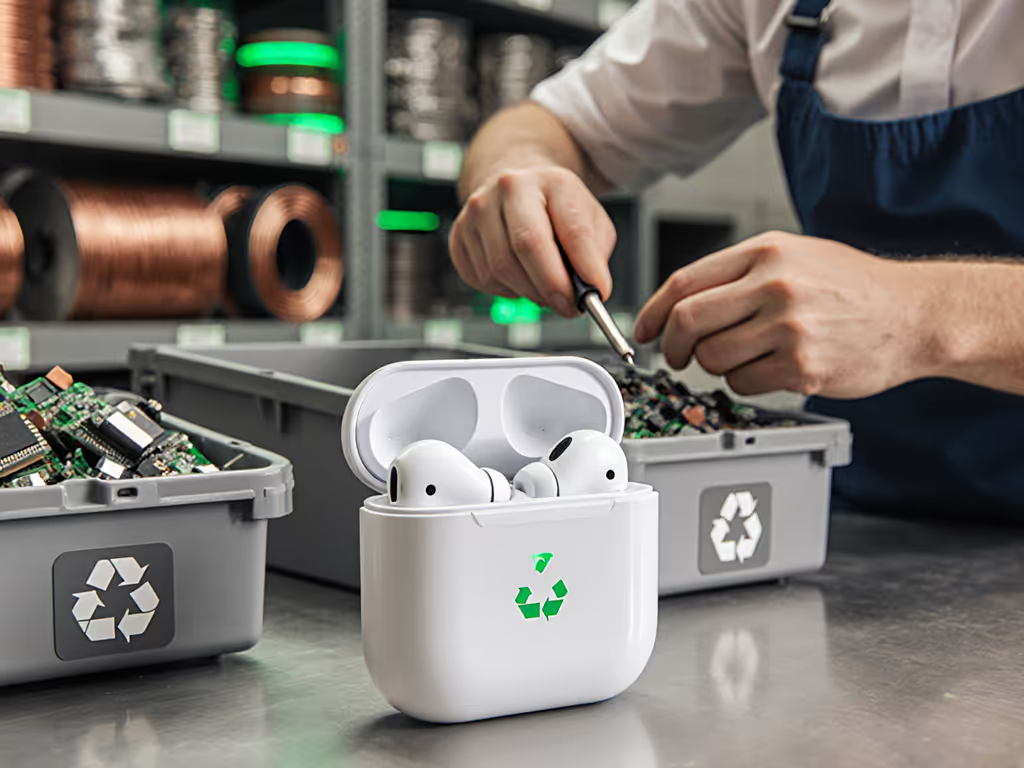
Understanding this demystifies the journey. Licensed recyclers like EACR Inc. follow a 4-phase earbuds recycling process:
- Disassembly: Technicians use anti-static tools to separate batteries (critical step, lithium requires isolation before shredding).
- Battery treatment: Cells undergo "controlled discharge" in saltwater baths to neutralize charge, then smelting recovers cobalt and lithium.
- Plastic recovery: Shells are shredded, melted, and pelletized into new electronics (like charging cases).
- Metal smelting: Copper windings and magnets become raw material for new motors.
Unlike throwing earbuds in trash (which violates wireless earbuds disposal regulations in 25+ U.S. states), this process ensures 95% material recovery. The EPA notes proper recycling reduces greenhouse gases by 1 ton per 1,000 pairs versus mining new materials.
Closing the Loop
Just as fit determines what frequencies reach your eardrum, proper disposal determines what reaches our ecosystems. I learned this starkly watching a swollen battery in a lab demo (once compromised, there's no tuning available). Your disciplined preparation and certified recycling turn waste into resources, closing the loop on your audio journey. When you’re ready to replace them, choose earbuds that last 2+ years to reduce future e-waste.
Further exploration:
- Download EACR Inc.'s free e-Waste Compliance Guide detailing state-specific wireless earbuds disposal regulations
Remember: The most critical seal isn't in the ear canal. It is the containment of hazardous materials. Seal before EQ applies beyond sound. Seal the disposal process before assuming it's handled.
Related Articles